Contemporary art and Wetterling Gallery
The artists, exhibitions and responsibilities that shaped the point of view.
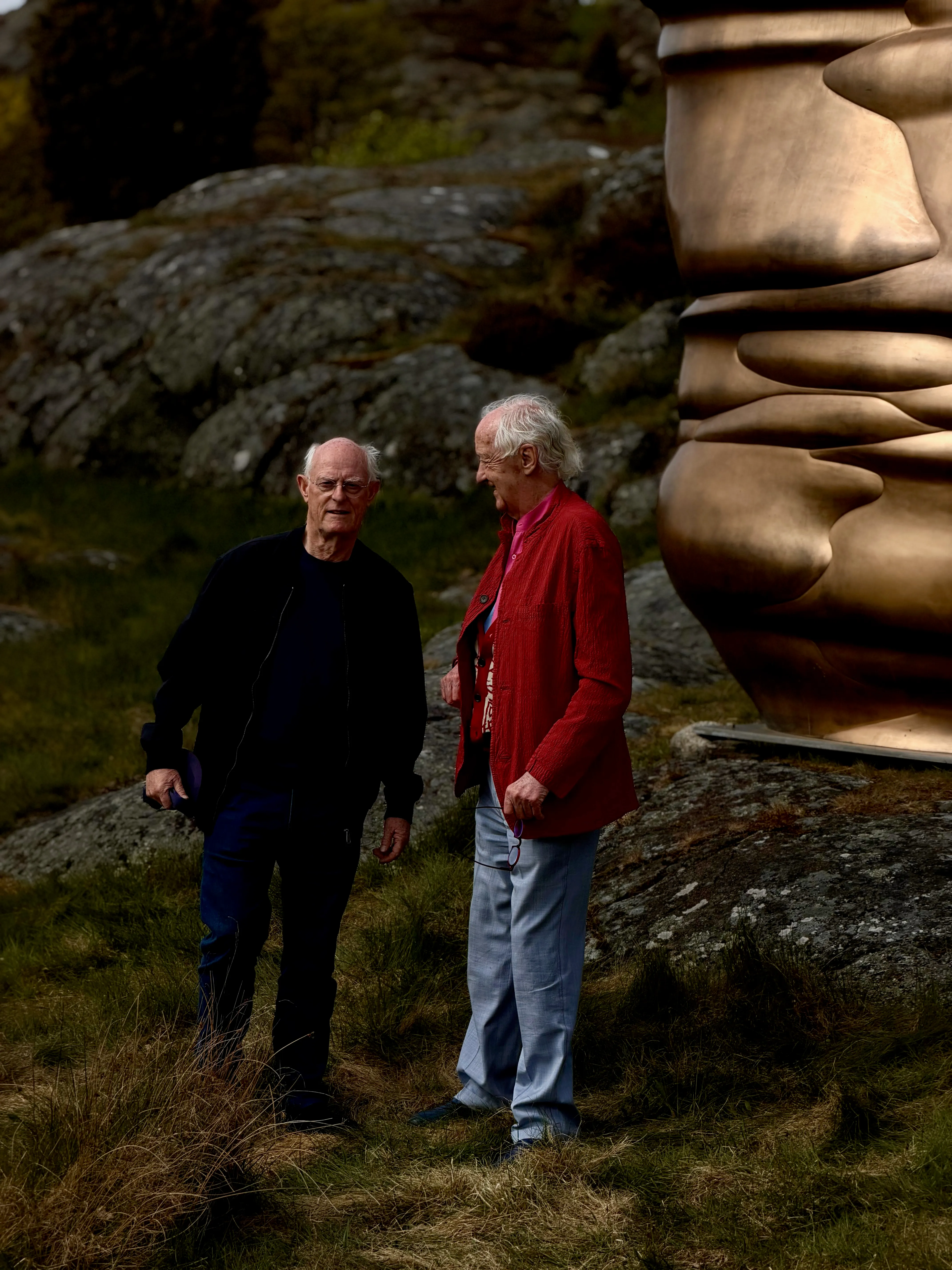
About
Looking back, I realise that my life has never really been about art, computers or even books. Those have simply been the vehicles. What has always fascinated me is how ideas connect, how knowledge can be preserved, and how people from completely different worlds can inspire one another.
That curiosity has led me into extraordinary places. It brought me into the studio of Richard Hamilton, where conversations about art naturally evolved into discussions about computers, typography and design. It led me to found galleries, build software, work with collectors and museums, and, many years later, to write the story of a remarkable computer — the DIAB — that became part of modern design history. More recently, it has inspired me to create digital tools, among them Min Hälsa, that help patients feel more informed and confident when they meet their doctors.
I’ve never been comfortable staying within one profession. I have always been more interested in solving problems than in collecting titles. If a better catalogue was needed, I built one. If an artist needed a new way to organise decades of work, we built it — the idea that eventually became Art Aura. If my own experiences as a patient suggested that healthcare could become a little more understandable, that became the next challenge.
The common thread has never been technology itself, nor the art world alone. It has been people. Every meaningful project in my life has begun with a friendship, a conversation over coffee, an unexpected question or an opportunity to help someone see things differently.
If there is a philosophy behind my work, it is a simple one: good design should feel natural, good technology should almost disappear, and knowledge only becomes truly valuable when it can be shared. I have been fortunate to spend a lifetime surrounded by remarkable people — this site brings together the work, ideas and conversations that connect them.
The story in five chapters
The artists, exhibitions and responsibilities that shaped the point of view.
Collaboration, cataloguing, precision — and the meeting of art with computing.
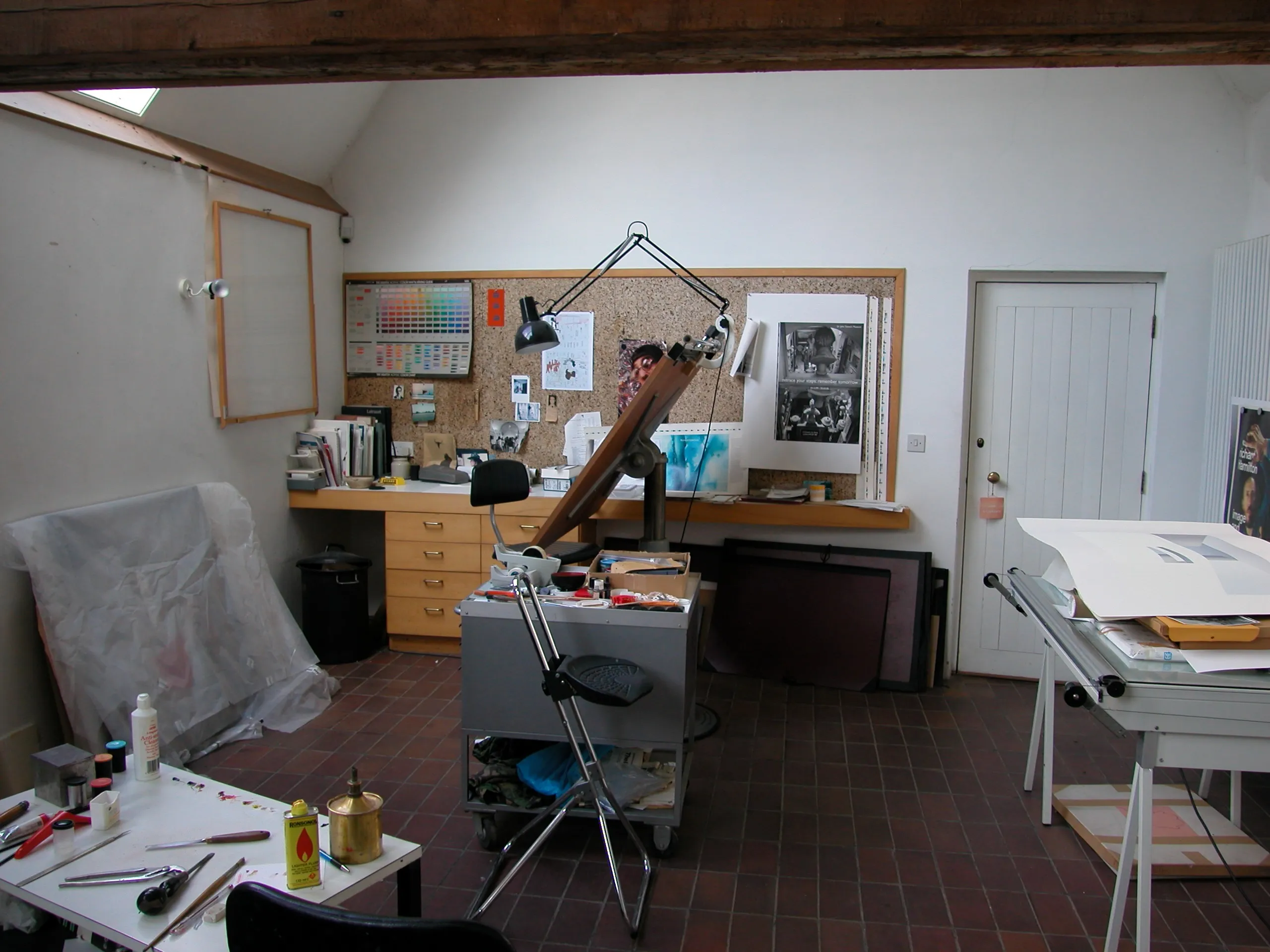
Design objects and information systems for museums and major exhibitions.
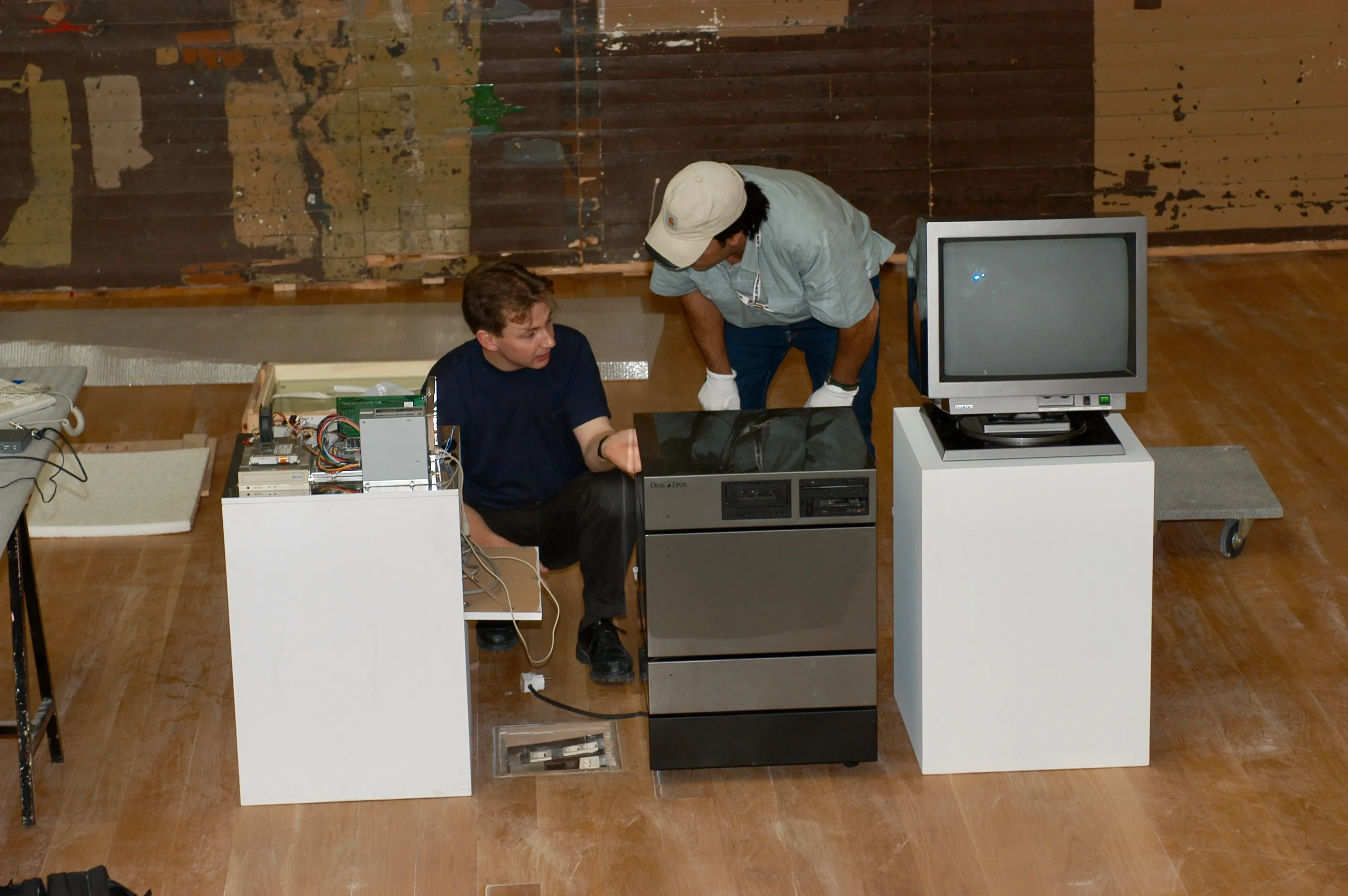
Turning ideas into working systems — among them the software behind Richard Hamilton’s catalogues. The catalogue lived as a single text file, its fields separated by semicolons and shaped on Unix with a handful of small, sharp tools.
# The catalogue was one text file, fields separated by ';'
#   cat_no ; year ; title ; medium ; edition

grep -v '^#' catalogue.txt \
  | sort -t';' -k2,2n -k3 \
| awk -F';' '{ printf "%-6s %s — %s\n", $1, $2, $3 }'Today’s work: two private applications for Apple devices — Art Aura, professional art inventory shaped by a lifetime of documenting artworks; and Min Hälsa, a calm space to prepare for and make sense of healthcare visits. The same care for information that runs through everything above, now placed directly in people’s hands.
Biography, press-quality portrait and further information available on request. Get in touch →